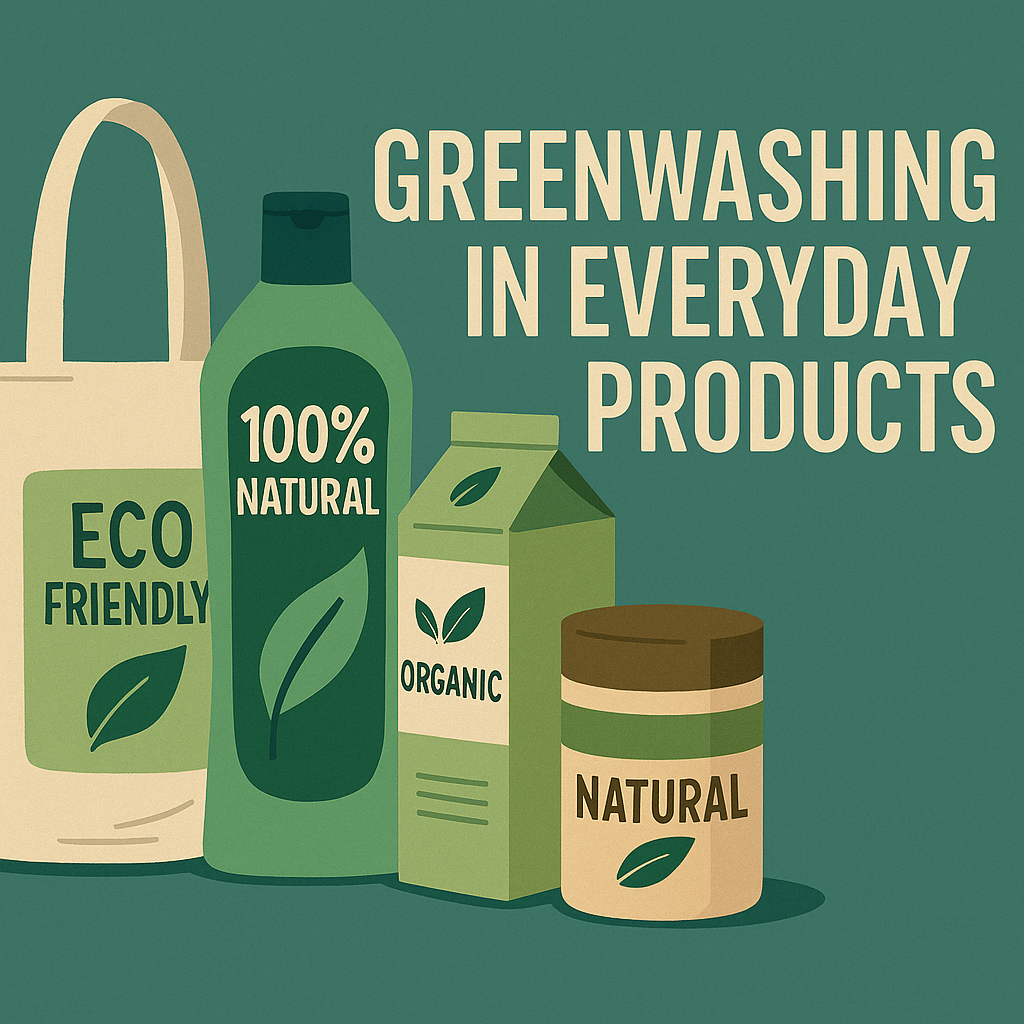
On a recent grocery run in Dehradun, I picked up a shampoo bottle labeled “100% Natural.” A quick glance at the ingredients revealed a cocktail of sulfates and synthetic fragrances. It reminded me how easy it is to fall for the illusion of sustainability—what we now call greenwashing.
Greenwashing is when brands use misleading claims, imagery, or language to make a product appear environmentally friendly when it isn’t. As eco-consciousness grows, so does this deceptive marketing. It’s become a global concern—affecting not just consumer trust but real progress on sustainability.
Why Greenwashing Hurts More Than It Helps
Greenwashing doesn’t just fool customers—it derails meaningful climate action. When consumers think they’ve made a sustainable choice, it reduces pressure on companies to change real business practices. It also makes it harder to spot genuinely ethical brands in a sea of marketing fluff.
According to the 2022 Euroconsumers study, over 42% of green claims were exaggerated or false. In India, where environmental regulation enforcement is still catching up, the problem is widespread—from fashion to food packaging.
Common Greenwashing Red Flags
- Vague terms: Words like “eco-friendly,” “green,” or “natural” without certifications or explanation are often meaningless.
- Hidden trade-offs: A product might be made from recycled plastic but shipped across the world using heavy fossil fuels.
- Irrelevant claims: “CFC-free” labels on products that never contained them in the first place.
- Green imagery: Leaves, trees, and earth tones on packaging designed to appeal to your conscience.
How to Spot Authentic Sustainability
Here are steps I personally follow when evaluating eco-claims:
- Look for third-party certifications such as B Corp, Cradle to Cradle, or 1% for the Planet.
- Read the fine print. Terms like “biodegradable” or “compostable” should come with disposal instructions.
- Check company transparency on their websites—are they disclosing supply chains, carbon emissions, or just catchy slogans?
- Use watchdog tools like Ecolabel Index or mobile apps like Think Dirty.
Examples in the Indian Context
From “organic” cotton sold in fast fashion stores to “herbal” mosquito repellents full of DEET, the Indian market is riddled with examples. One of the worst offenders? Disposable tableware labeled “eco” that’s actually lined with plastic film and non-biodegradable.
Fortunately, Indian startups like Beco, Ecoware, and Bare Necessities are setting high standards in product transparency and circular design.
A Personal Note
As someone raising a child in today’s climate-challenged world, I’m more mindful than ever of what I buy. But I also know that perfection isn’t the goal—awareness is. By questioning labels and educating ourselves, we can push brands to be better and make choices aligned with real sustainability.
We don’t need to buy more “green.” We need to buy smarter.
Further Reading:
GreenBiz – 9 Types of Greenwashing
Hope in the Time of Heatwaves
What Monsoons Are Trying to Tell Us














No responses yet