What a Balcony Can and Cannot Do
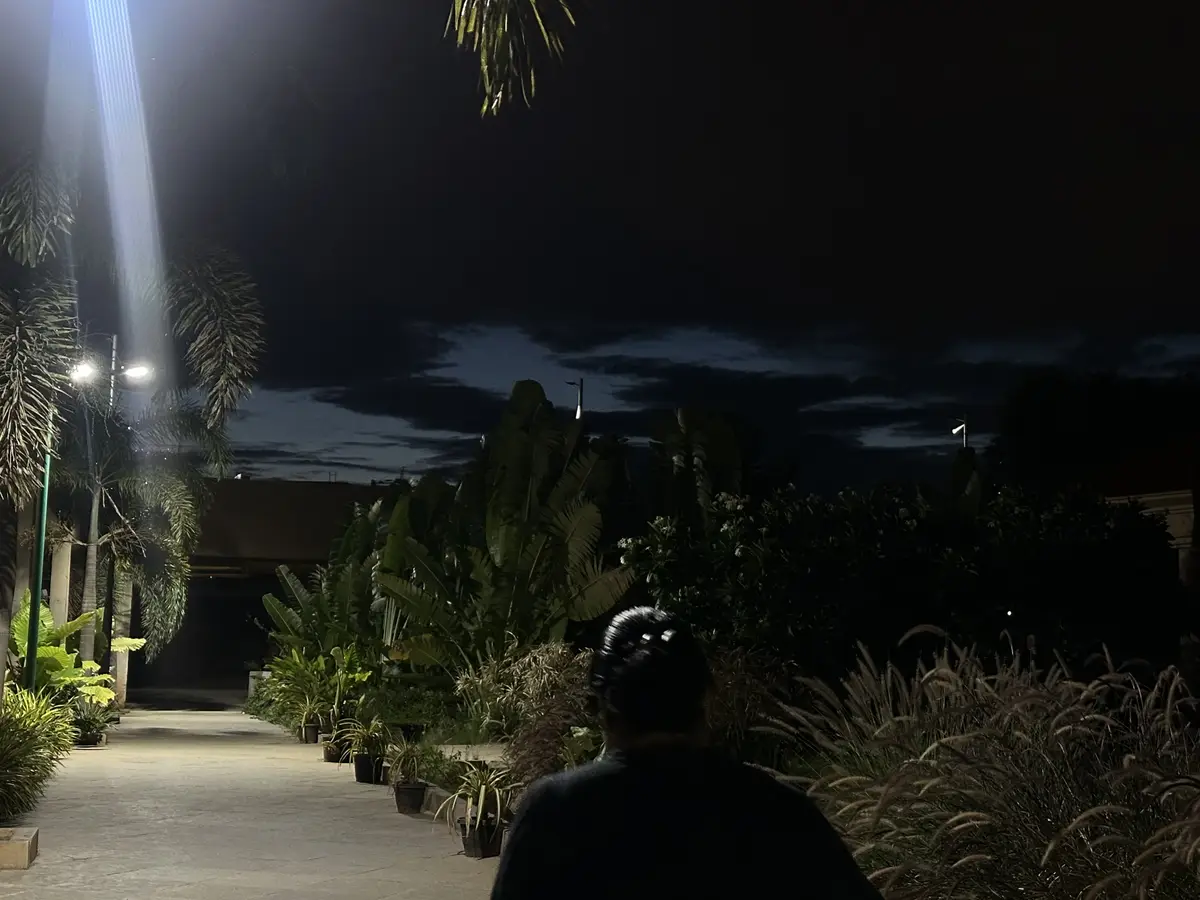
I grow things on a balcony on the thirty-second floor. The wind up here is a genuine adversary, the light is brutal from about ten in the morning, and everything has to be carried up in a lift. Over a few years I have worked out what survives, and I have also worked out what this activity is and is not doing.
Let me start with the part that environmental writing usually skips. A balcony garden is not carbon sequestration in any meaningful sense. A few dozen pots hold a trivial amount of biomass, and the potting mix, the plastic containers and the water all carry their own footprint. If someone tells you that container gardening is a climate solution, they are either selling something or have not done the arithmetic. It is not a solution at that scale, and pretending otherwise makes the rest of the argument easier to dismiss.
Nor is it food security. I have grown chillies, curry leaves, a stubborn tomato plant and various greens. In a good month this offsets a small fraction of what one household eats, and it costs more per kilogram than the vegetable seller downstairs by a margin I would rather not calculate. People who grow a serious proportion of their own food do it with land, and it is work.
So what is it for?
The first honest answer is habitat, and this one is not negligible. A balcony with flowering plants gets pollinators, at thirty-two floors, reliably. Bees find it. Sunbirds find it. Once, memorably, a pair of bulbuls decided a hanging pot was a reasonable place to raise a family, and I lost the use of that corner for three weeks and considered it a fair trade. In a city that has replaced most of its soft edges with concrete, a scattering of small green patches functions as stepping stones. No single one matters. The network does.
The second is knowledge, which sounds like a consolation prize and is not. Growing things is the fastest way I know to stop treating weather as background. You start noticing when the first real rain comes and whether it is early. You notice the week the heat turns from uncomfortable to lethal, because you can see which plants give up. You learn that soil is a living material with a biology, not an inert medium, and once you know that, a headline about soil degradation stops being an abstraction. That shift — from reading about a system to having a relationship with one — changes what a person is willing to pay attention to.
The third is honest and slightly uncomfortable: it is good for the person doing it. Tending something on a schedule, watching it respond, failing at it repeatedly and adjusting. I am not going to dress that up as environmentalism, but I am also not going to pretend it does not matter.
What I resist is the substitution. The danger of small green gestures is that they can feel sufficient — that having composted this week, one is discharged from caring about how the city handles its waste. The balcony is not an offset. It does not buy down anyone's obligations on the questions that actually move the numbers: how buildings are built, how power is generated, how water is managed, how land gets used.
Hold both. Grow the things, because habitat and attention are real. Keep arguing about the infrastructure, because that is where the outcome is decided. The pots are not the point. They are how you stay in the habit of noticing.